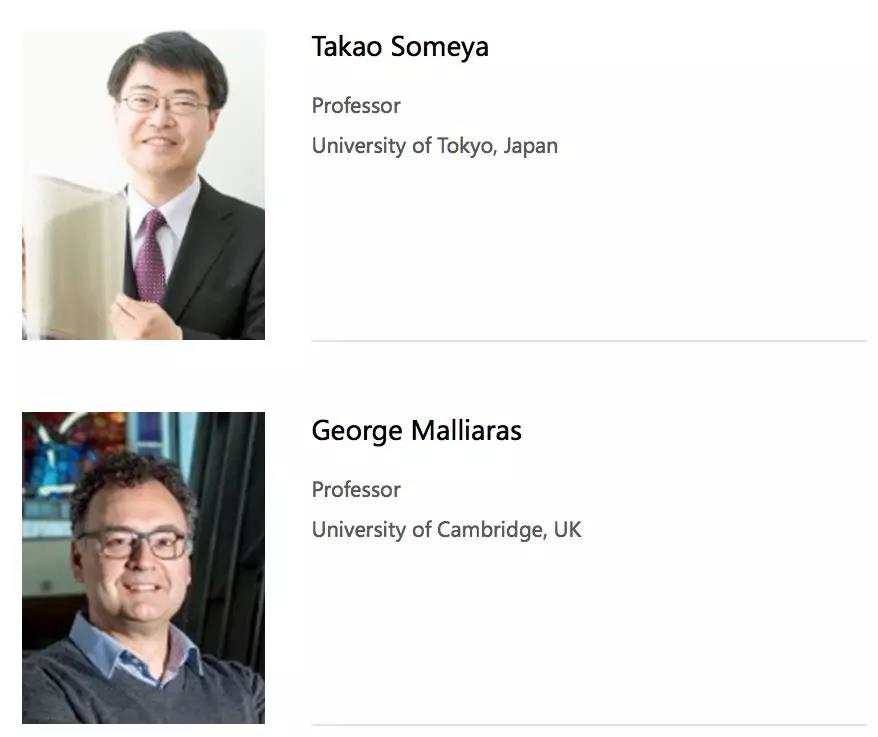
2019年(nián)7月(yuè)13-14日,第二屆國際(jì)柔性電子學術大會將(jiāng)在杭州舉行,Xiaodong Chen和David Gracias教授將(jiāng)作(zuò)嘉賓出席本次(cì)大會,並在大會(huì)上作主題報告(gào)。本屆大會專注柔性電子(zǐ)的前沿領域,截(jié)止目前,除Xiaodong Chen和David Gracias教(jiāo)授外,大會還邀(yāo)請到了美國(guó)三院院士John A. Rogers教(jiāo)授、英國劍橋大學教授George Malliaras、Takao Someya教授、Ming Liu教授等19位國內外頂級專家(jiā)以及3位著名期刊編輯(jí)為大家帶來(lái)前瞻性學術報告。
此次大會主題將包括但不限於有機柔性電子、柔性顯示、無機柔性電子、可延展電子(zǐ)、柔性能源、生物仿真(zhēn)電子、可重(chóng)構電子、瞬態電子、生物(wù)合成電子、可穿(chuān)戴電(diàn)子和柔性機器人。同時(shí)本次大會也是持續為全球產業界、企業界提(tí)供更多了解柔性電子領域最新技(jì)術(shù)進展的機會。
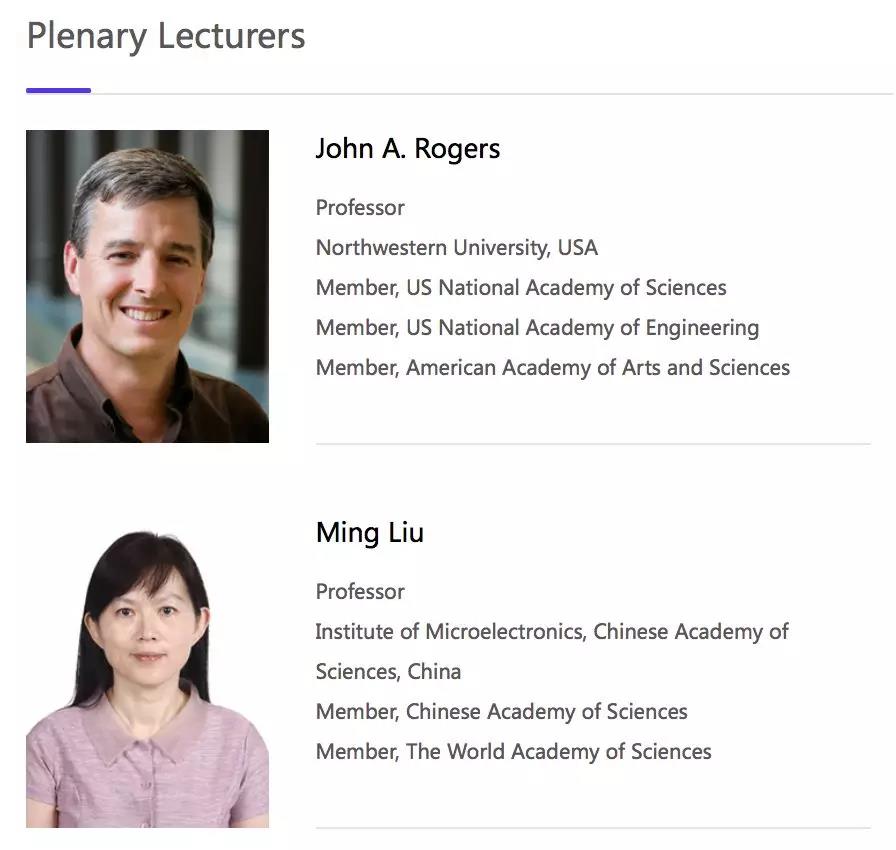
本屆(jiè)大會組委會主席分別是來自清華大學(xué)的馮雪教授和美國西北大學黃永剛(gāng)教授,此外組委會成員還有清華大學段煉教授、羅毅教授、沈洋教(jiāo)授,浙江大學宋(sòng)吉舟(zhōu)教授,清華大學王曉峰副研究員、張一慧副教授。
參會注(zhù)冊信息
注冊付款截止時間 2019年6月20日
展覽付款截止時間 2019年6月30日
常規(guī)(3000 RMB or 500 USD)
學生(1500 RMB or 250 USD)
詳情請訪問:會議網站:http://icfe.gfeit.com/
主辦方:
柔性(xìng)電子技術協(xié)同創新中心
清華大學柔(róu)性電子技術研究中心
承辦方:
柔性(xìng)電子與智能技術全球研究中心
浙江清華柔性電子技術研究(jiū)院
會議地址:
國際創博中心(浙(zhè)江省杭州市錢塘新(xīn)區科技(jì)園路267號)
期待(dài)與大家相聚杭州,
共同見(jiàn)證柔性電子即將為91成人抖音開創的未來時代!
本周人物一
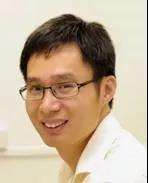
Xiaodong Chen
在(zài)過去的二十年中,柔性電子器(qì)件領域已取得(dé)令人興奮的進步,有望在(zài)未來人類生活中引發一場革命。然而,由於在複(fù)雜應力環境中活性材(cái)料較差(chà)的可持續性,構(gòu)建(jiàn)柔性器件已有了(le)新(xīn)的需求。因(yīn)此,通過自然選擇(zé)發展出各種(zhǒng)環境適應性結構和材料的天然材料分級體係結構(gòu)可啟發研究人員解決材料和工程技術的局限性。本周為大家介紹的是來自南洋理工大學的陳曉東教授,他主要從事(shì)可(kě)程(chéng)序化材料在能源的(de)轉(zhuǎn)化、柔性電子(zǐ)器件、以及納(nà)米生物界麵等方麵的工作(zuò)。他的工作多次(cì)被BBC,人民日報,New Scientists,Nanowerk,Materialviews等亮點報道。
Xiaodong Chen
Professor
Nanyang Technological University, Singapore
陳曉東教授目前擔任南洋理工大學材料科學與工程學(xué)院教授。他於1999年在福州大(dà)學獲得化學學士學位,2002年獲(huò)得中國科學院物理化學學士(shì)學位,2006年(nián)獲得德國明(míng)斯特大學生物化學博(bó)士學位。之後,他在美國西(xī)北大學進行博(bó)士後工作。自2009年開始,他加入新加坡南洋理工大學作為國(guó)家研(yán)究基金會會員和材料科學與工程(chéng)學院助理教授。2013年晉(jìn)升為副教授,2016年晉升為正教授。
陳曉東(dōng)教授的研究主要是開發在柔性設備、儲能和醫療領域運用的柔性材料。到目前為止,他已發表240餘篇論文,包括Nature Communications,Angewandte Chemie和Advanced Materials等知名期(qī)刊。他的論文被引用次數超過15800次,h因(yīn)子達64。陳曉東(dōng)教授的研究工作還得到100多家本(běn)地和海外媒體的強調(diào),其關於生產工業影響的研究工(gōng)作從他的22項專利中可見一斑,其中4項已獲得商(shāng)業開發許可。他還是Quickcharge Pte Ltd公司的聯合創始人,該公司主要是將尖端儲能技術商業化。
陳曉東教授在研(yán)究和創新方麵的成(chéng)就得到(dào)了國家和國際的認可,獲得了很多榮譽和獎項,包括入選2018年先進材料名人堂,2017年南陽研究獎,2016年NML研究員獎,2016年英國皇家化學學會獎,2015年小青年創新獎(jiǎng),2015年路博潤青年材料(liào)科學研究員獎和2009年NRF獎學金等。
陳曉東教授在擔任助理教授(shòu)期間發(fā)起了MSE-Colloquium@NTU活動,這是一個月度活動,邀請(qǐng)傑出的科學家,發明家,企業家和(hé)出版編輯向MSE博士生和(hé)職工進行演講。此外,他還(hái)是學校,學院和大學各(gè)級委員會的成員,積極參與全球科學界的服(fú)務。例如,他組織了10多個國際研究(jiū)專題討(tǎo)論(lùn)會(huì)和研討會。
目(mù)前,陳曉東(dōng)教(jiāo)授的研究主要集中在兩(liǎng)個方向:
(1)集成(chéng)納米生物界麵:開發可(kě)編程納(nà)米結構、生物材料混合係統,用於監測,操縱和模擬生物過程。
(2)用於能量轉換的可編程材料:探(tàn)索用於電化學能量轉換和存儲的可編程模塊。
本周人物二
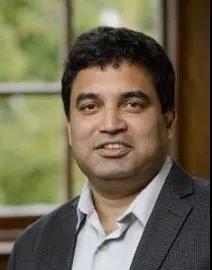
David Gracias
石墨烯(xī)在二維層麵上的一些物理屬性已經吸引了人們的目光。但在過去的幾年裏(lǐ),人們發現,給石墨烯增加(jiā)一些褶皺能有效的(de)延伸它的三維屬性,並且這種屬性為找尋可(kě)穿戴式(shì)電子(zǐ)產品和生物傳(chuán)感器的原材料帶來了新的可能。然而,添(tiān)加這些褶皺是有代價的,所有的操(cāo)作必須在高精(jīng)度和可調度的(de)苛刻條件下完成。而本周我(wǒ)們要(yào)介紹的人物,來自(zì)約翰霍普金斯大學David Gracias教授,找到了一種全新的方法(fǎ)使石墨烯(xī)變(biàn)得更(gèng)加具有活性,並同時保留了石墨烯固有的特性以及超薄(báo)和靈活的(de)本質,證明了可以折疊厚度低至5納米的超薄石墨烯,這個折(shé)疊的過程不僅可以用於高吞吐量的光(guāng)刻技(jì)術(shù),也可以用於晶原領域。
David Gracias
Professor
Johns Hopkins University, USA
David Gracias教授(shòu)是約翰霍普金斯大學化學和生物分子工程係的教(jiāo)授兼主任。他以微型設備、智(zhì)能材料和係統的設計、開發和表征聞(wén)名。這些裝置和係統遠小於用肉眼甚至光學顯微鏡等可視化裝(zhuāng)置和係統(tǒng),這(zhè)使得它們在組裝和表征方麵特別具有挑戰性。
Professor Gracias於(yú)1994年獲得印度理工(gōng)學院化(huà)學碩士學位,1999年獲得加州大學伯克利分校化學係和勞倫斯伯克利國家實驗室材料科學係博士學位(wèi)。從1999年至2001年,他進入哈佛大學化(huà)學與化學生物學係成為博士後研究員。自(zì)2003年,他進入約翰(hàn)霍(huò)普金(jīn)斯大學化學和(hé)生物分子工程係。2013年至今,他擔任化學和生物分子工程係教授,2014年聯合任命為(wéi)材(cái)料科學與工程係教授。
截至目(mù)前,David Gracias教授和他的研究團隊(duì)在Nature, Science, PNAS等知名(míng)期刊上共計發表高水平學術論文130餘(yú)篇,h因子達56(google Scholar),受邀進行國際(jì)報告100餘次。
David Gracias教授(shòu)獲得過許多榮譽和獎(jiǎng)項,包括(kuò)有NIH Director’s New Innovator Award,NSF CAREER Award,Beckman Young Investigator Award,Camille Dreyfus Teacher Scholar Award,DuPont Young Professor Award,Maryland Outstanding Young Engineer Award等。
English Resume
附Xiaodong Chen英文簡曆(lì)
Dr. Chen Xiaodong is a Full Professor at the School of Materials Science and Engineering (MSE), Nanyang Technological University (NTU). He received his B.S. degree (Honours) in chemistry from Fuzhou University, China, in 1999, M.S. degree (Honours) in physical chemistry from the Chinese Academy of Sciences in 2002, and PhD degree (Summa Cum Laude) in biochemistry from the University of Münster, Germany, in 2006. After his postdoctoral fellow training at Northwestern University, USA, he joined NTU as a National Research Foundation (NRF) Fellow and Nanyang Assistant Professor (NAP) in 2009 in (MSE).He was promoted to Associate Professor with tenure in 2013, and Full Professor in 2016.
Professor Chen’s research focuses on developing soft materials for the applications in flexible devices, energy storage, and healthcare. So far, he has published over 244 high profiled articles, including in Nature Communications, Angewandte Chemie, and Advanced Materials. His papers have been cited more than 15,800 times with an Hirsch-index of 64. His research work was highlighted by more than 100 local and overseas’ media. Professor Chen’s research work on generating industrial impact is evident from his 22 patents, four of which had been licensed for commercial development. He is also the co-founder of a spin-off company, Quickcharge Pte Ltd, commercializing cutting-edge energy storage technology.
Professor Chen’s achievement in research and innovation was recognized nationally and internationally with his many awards, namely the Fellow of Royal Society of Chemistry 2016, Small Young Innovator Award 2015, Lubrizol Young Materials Science Investigator Award 2015, and NRF Fellowship 2009.
Professor Chen exhibits strong student mentorship and supervision. He teaches undergraduate courses and students commended him as a passionate teacher. More than 10 URECA, FYP, and PhD students have won different awards under his supervision. Among the PhD students and research fellows he supervised, more than 20 of them have secured academic position at different universities after training. As another evidence to his outstanding mentoring and supervising, he was awarded the Teacher of the Year Award by the School in 2013 and 2016, respectively.
Professor Chen served as Assistant Chair (Graduate Studies) in 2014-2016. He initiated the MSE-Colloquium@NTU, which is a monthly event where distinguished scientists, inventors, entrepreneurs, and publishing editors are invited to give presentations to MSE PhD students and staff. In addition, he serves as a member to various committees at the school, college and university level. Finally, he is actively involved in services to the global scientific community. For instance, he has organized more than 10 international research symposia and workshops. Currently, he is the Associate Editor of Nanoscale and Scientific Editor of Nanoscale Horizons, and the editorial advisory member for several leading journals.
Currently, Prof. Chen's research focuses on two directions: (1) Integrated nano-bio interface: to develop programmable nanostructure-biomaterial hybrid systems for monitoring, manipulating, and mimicking biological processes. (2) Programmable materials for energy conversion: to explore programmable modules for electrochemical energy conversion and storage.
資料來源:
https://www.x-mol.com/university/faculty/45891
http://www3.ntu.edu.sg/home/chenxd/PI.html
附David Gracias英文簡曆
David Gracias, professor and director of graduate studies in the Department of Chemical and Biomolecular Engineering, is known for the design, development, and characterization of miniaturized devices, intelligent materials, and systems. Many of these devices and systems are far smaller than what can be visualized with the naked eye or even optical microscopes, which makes them especially challenging to assemble and characterize.
Gracias earned an MS in chemistry from the Indian Institute of Technology (1994) and a Ph.D. in chemistry from the University of California at Berkeley and the Materials Science Division, Lawrence Berkeley National Laboratory (1999). He was a post-doctoral fellow in the departments of chemistry and chemical biology at Harvard University (1999-2001).
Gracias’s multi-disciplinary approach leverages conventional microelectronic chip fabrication approaches as well as novel self-assembly processes. His research group uses elements from both the biotic (bacteria, cells) and abiotic (optical, electronic) worlds to create bionic structures. Among their tools are state-of-the-art fluorescence, FT-IR, Raman, and sum frequency generation optical spectroscopy techniques; electron microscopy; RF measurements such as GHz spectrum analysis; electrochemical methods such as potentiometry and chronoamperometry; and four point electrical testing with femto-amp resolution. Group members also use statistical and analytical methods to model data as well as finite element methods (HFSS, Surface Evolver).
Gracias credits his training in basic sciences, including physical chemistry and chemical biology, as well as in state-of-the-art engineering R&D in the microelectronics industry, with allowing him to break down traditional boundaries by making critical connections between seemingly disparate fields and between basic science and applied research. At Johns Hopkins, he has made revolutionary contributions to biomedical engineering by collaborating extensively with clinicians to apply the capabilities of micro and nanotechnology to modern medicine. In addition to publishing his academic work in top journals such as Science, Gracias is a prolific inventor with 30 issued patents.
He and his team have developed entirely new approaches to assemble and manufacture extremely small 3D and hybrid devices in a highly parallel and cost-effective manner. He has pioneered the field of self-folding by uncovering assembly principles based on strain engineering. His notable accomplishments include the self-assembly of patterned polyhedral capsules, particles, and devices with sizes down to 100 nanometers, which opens up applications in electronics, sensors, and drug delivery. His laboratory invented dust-sized biopsy forceps that can be deployed and operated en masse, offering the possibility for statistical sampling of organs and the early diagnosis of diseases such as cancer, and representing a major leap toward realizing the “swallow the surgeon” vision. Along with colleagues, he has invented programmable materials and soft robots that respond to biochemical cues offering the possibility for autonomous untethered operation.
Gracias has received the NIH Director’s New Innovator Award; NSF CAREER Award; Beckman Young Investigator Award; Camille Dreyfus Teacher Scholar Award; DuPont Young Professor Award; Maryland Outstanding Young Engineer Award; a Humboldt Fellowship for Experienced Researchers; and Bessel Award. He is an AIMBE Fellow.
資料來源:
https://engineering.jhu.edu/chembe/faculty/david-gracias-2/