2019年7月13-14日(rì),第二屆國際柔性電子學術大會將在杭(háng)州舉行。本屆大會專注(zhù)柔性電子的前沿(yán)領域,截止目前,大會邀請到了美國三院院士John A. Rogers教授、英國劍橋大學教授George Malliaras、Takao Someya教授、Ming Liu教授等21位國內外頂級專家(jiā)以及3位著名期刊(kān)編輯為大家帶來(lái)前瞻性學(xué)術報告。
此次大會主題將(jiāng)包括(kuò)但不限於(yú)有機柔(róu)性電子、柔性顯示、無機柔性(xìng)電子、可延展電子(zǐ)、柔性能源、生物仿真電(diàn)子、可重構電子、瞬態(tài)電子、生物合成電(diàn)子、可穿戴電子和柔性機器人。同時本(běn)次大會也是持(chí)續為全球產(chǎn)業界、企業(yè)界提供更多了解柔性電子領域(yù)最新技術(shù)進展的機會。
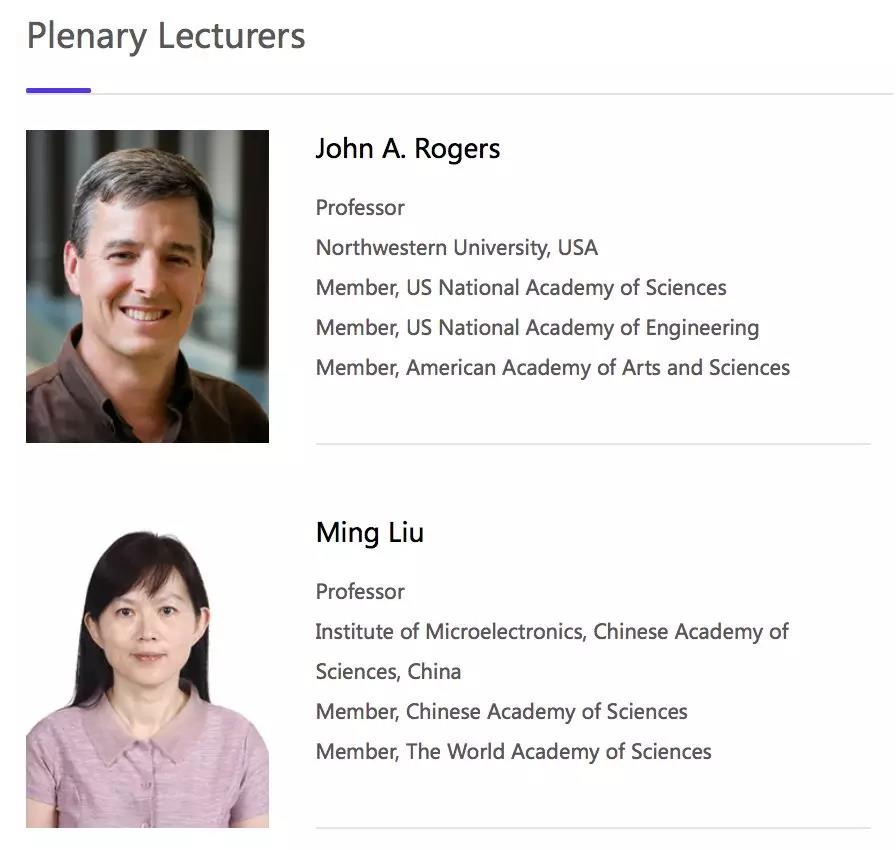
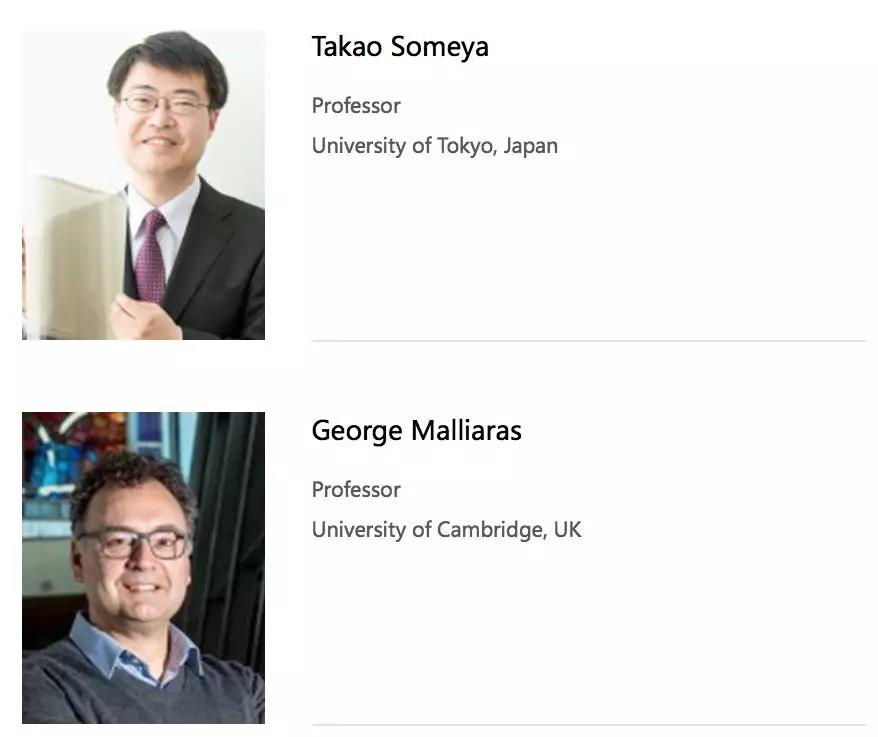
本(běn)屆大會組委會主席分別(bié)是來自(zì)清華大學的馮雪教授和(hé)美國西北大學黃永剛教授,此外組委會成員(yuán)還有清華大學段煉教授、羅毅教授、沈洋教授(shòu),浙江(jiāng)大(dà)學宋吉舟教授(shòu),清華大學王(wáng)曉峰(fēng)副研究員、張一慧副教授。
參會注冊信息
注冊付款截止時間 2019年(nián)6月20日
展覽付款截止時間 2019年6月30日
常規(guī)(3000 RMB or 500 USD)
學生(1500 RMB or 250 USD)
詳情請訪問:會議網站:http://icfe.gfeit.com/
主辦(bàn)方:
柔性電子技術協同創新中心
清華(huá)大學柔性電子技術研究中心
承(chéng)辦方:
柔性電子與智能技術全球研究中心
浙江清(qīng)華柔性電子技(jì)術研究院
會議地址:
國際創博中心(浙江省杭州市錢(qián)塘新區科技園路267號(hào))
期待與大家相聚杭州,
共同見證柔(róu)性電子即將為91成人抖音開創的未來時(shí)代!
本周人物一
Dae-Hyeong Kim
他年紀輕(qīng)輕,是學術界的(de)未來之星。2011年至今在首爾國立大學開展獨立研究,目前(qián)已(yǐ)發表(biǎo)文章100餘篇。這一百多篇文章包含2篇Science,2篇PNAS,2篇Sci. Adv.,17篇Nature子刊,7篇Adv. Mater.;6篇ACS Nano除了發文章以外(wài),他還獲得了23項專利,其中一些已經實(shí)現了商業化(huà)。他是誰(shuí)?他就是91成人抖音今天要介紹的(de)大咖,來自首爾國立大學的Dae-Hyeong Kim教授。
Dae-Hyeong Kim
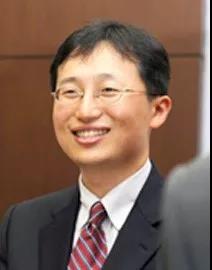
Associate Professor
Seoul National University,
South Korea
Dae-Hyeong Kim教授從首爾國立大學獲得了本科和碩士學位(其中本(běn)科期間輔修了工(gōng)商管理(lǐ)),2009年從伊利(lì)諾伊大學香(xiāng)檳分校獲得了博士學位,師從John A. Rogers。2009年到2011年(nián),他擔任伊利諾伊大學香檳分(fèn)校的博士後研究員。2011年他加入首爾國立大學(xué),目前擔(dān)任首爾國立大學化學與生物工程學院副教授。
Dae-Hyeong Kim教授主要(yào)致力於發展(zhǎn)高性(xìng)能的柔性可拉伸電子器件,其中包含高質量納米級(jí)材料,實(shí)現新型多功能生物醫學和光電子係統。其中首要任(rèn)務是改進當前生物醫學設備,進而發(fā)展前所未有的醫療(liáo)係統(tǒng)來幫助患者。Dae-Hyeong Kim教授所研發的設備可以通過完全植入、微創和皮膚疊壓的方法與人體集成,追求高分辨、高靈敏(mǐn)度的健康監測,通過實時數據存儲(chǔ)、分析、診斷,來反饋治療驅動/靶向材料輸送的能力。開發超薄、安全、高效的電源模塊是軟生物電子學中的另一項關鍵技術。Dae-Hyeong Kim教授所關注的第二點是使用納(nà)米量子點晶體、鈣鈦礦薄膜、二維納米材料(liào)以及非常規(guī)器件技術來開發高性能(néng)軟光電器(qì)件。比如超薄、透明的顯示器,完全的圖像傳感器陣列和高效的光伏器(qì)件(jiàn)。
Dae-Hyeong Kim教授獲得了多(duō)項獎項,包括George Smith Award (2009),Green Photonics Award (2011),TR 35 award (2011), Hong Jin-ki Creative Award (2015), SCEJ Award (2016)以及Korea Young Scientist Award (2017)。由(yóu)於他將可伸展(zhǎn)材(cái)料用於(yú)醫(yī)療設備的(de)傑出貢(gòng)獻,還被《麻省理工科技評論(lùn)》(MITTechnologyReview)雜誌(zhì)評(píng)選為2013年度全球傑出青年創新人物。
目前,他已(yǐ)發表文章(zhāng)100餘篇,23項專利。
本周人物二
Pooi See Lee
柔性透明導電材料是柔性電子器件中(zhōng)不可或缺的(de)組成(chéng)部分。導電玻璃(氧化銦錫(xī),ITO)因兼具導電性和透明性,在工業中應用廣泛,但是該材料脆性大(dà),成本高。因(yīn)此,研究者將(jiāng)導電複合材料看(kàn)作是最有希(xī)望的替代性材料(liào)。
本周91成人抖音要介紹的人物,來自新加(jiā)坡南洋理工大學材料係 Lee Pooi See (李佩詩)教授,其團隊基於銀纖維溶液液滴中的馬拉高尼效應,利用溶液噴射(shè)方(fāng)法獲得(dé)了銀(yín)纖維束構(gòu)成的(de)篩網狀導電網絡。和無規則結構相(xiàng)比,該篩網結構組成的複合材料具有高透明性、高導電性、良好的防水性和柔性。製備方法簡單快捷,使得高透明柔性導體材料可規模化生產,有希望替代當前常用的(de)ITO導電玻璃(lí)。
Pooi See Lee

Professor
Nanyang Technological University,
Singapore
Pooi See Lee教(jiāo)授(shòu)於2001年在新加(jiā)坡國立大學獲得博士學位,2001年至2003年她加(jiā)入新加坡Chartered半導體製造有限公司(現為Globalfoundries)的研發部(bù)門工作。在2001年,她獲得美國(guó)電化學學會頒發的諾曼黑客青年作家獎的榮譽。2004年1月,她(tā)加入(rù)新加坡南洋理工大學材(cái)料科學(xué)與(yǔ)工程學院擔(dān)任助理教授,於(yú)2009年晉升為終身副教授。2015年9月,她晉升為正教授。
Pooi See Lee教授撰寫了很多運(yùn)用於能源、電子方向的納米材料相(xiàng)關出版物,目前擁有30多項專利。2004年至2008年,她(tā)擔任材(cái)料科(kē)學與工程學院本科生院副院長/副主席,2012年至2014年擔任研究院副主席(xí),自2014年3月起擔任學院副主席。同(tóng)時,在2014年她被授予National Day Awards和Public Administration Medal (Bronze)。Pooi See Lee教授也是(shì)2015年(nián)著名的NRF Investigatorship。目(mù)前,Pooi See Lee教授是材料研究(jiū)學會的成(chéng)員,也是Advanced Energy Materials, Scientific Reports and Frontier的編輯委員會成員。
Pooi See Lee教授研究興趣主(zhǔ)要是合成納米新材(cái)料,並理解其結構特性將其運(yùn)用於多方麵領域。她開發了高能電容器(qì)、新型透(tòu)明導體、柔性可拉伸(shēn)設備(bèi)和節能電致變色塗料。她熱衷於推進綠色納米技術的發展,並將(jiāng)研究成果轉(zhuǎn)化運(yùn)用於實際產業。
目前Pooi See Lee教授主要的研究項(xiàng)目集中以下幾方麵:
1. 能源器件:運用於電化學超級電容器的一維(wéi)氧(yǎng)化物納米線、二維氫氧化物納米層和氧化石墨烯。同時(shí)開(kāi)發了具有高(gāo)脈衝功率的高能量(liàng)密度電容器,壓電能量收集器和節(jiē)能智能玻璃。
2. 納米電子材料:矽化(huà)物、新型電解(jiě)質、納米晶體、納米線和納米光纖混合物。正(zhèng)在研(yán)究的功能器件包括觸摸板(bǎn)、納米線晶體管、電阻開關存儲器、壓力傳(chuán)感器(qì)、氣體傳感器和發光器(qì)件。
3. 有機電(diàn)子:鐵電聚合(hé)物、自組裝單分子膜、聚電解質和電致(zhì)變色材料。這些材料已經運用(yòng)於(yú)柔性有機存儲器,傳感器,電致變色和可拉伸設(shè)備。
截至目前,Pooi See Lee教授(shòu)和他的研究團隊在知名期刊上共計發表高(gāo)水平學術論文250餘篇,累計引用次數超過14000,h因(yīn)子達67。
English Resume
附Dae-Hyeong Kim英文簡(jiǎn)曆:
Dae-Hyeong Kim obtained B.S. and M.S. degree in Chemical Engineering from Seoul National University, Korea, in 2000 and 2002, respectively. He received Ph. D. degree in Materials Science and Engineering from University of Illinois at Urbana Champaign in 2009.
From 2009 to 2011, he was a post-doctoral research associate at University of Illinois. He joined Seoul National University in 2011 and is currently an associate professor in School of Chemical and Biological Engineering of Seoul National University. He also has been serving as an associate director of Center for Nanoparticle Research of Institute for Basic Science (IBS) from 2017. He has been focusing on the research and development of materials and devices for soft electronics, bioelectronics, and optoelectronics. He has been recognized with several awards including George Smith Award (2009), MRS Graduate Student Award (2009), Green Photonics Award (2011), TR 35 award (2011), Hong Jin-ki Creative Award (2015), SCEJ Award (2016), and Korea Young Scientist Award (2017).
His group aims to develop high performance flexible and stretchable electronic devices incorporated with high quality nanoscale materials, which enable novel multifunctional biomedical and optoelectronic systems.
資(zī)料來(lái)源:
http://flextronics.snu.ac.kr/index.php?mid=Professor&vid=localhost
https://www.elsevier.com/events/conferences/world-congress-on-biosesensors/programme/speakers
附Pooi See Lee英文簡曆:
Prof. Lee received her Ph.D. degree from National University of Singapore in 2001. She joined Chartered Semiconductor Manufacturing Ltd (now Global foundries) in research and technology development department from 2001-2003.
Prof. Lee is a recipient of the 2001 Norman Hackerman Young Author award presented by the Electrochemical Society, USA. In January 2004, she joined the School of Materials Science and Engineering, Nanyang Technological University as an Assistant Professor.She was promoted to tenured Associate Professor in 2009. In Sept 2015, she was promoted to Full Professor.
Pooi See has authored and co-authored many publications in the field of nanomaterials for energy and electronics applications. She holds more than 30 patents filed/provisional applications at present. She served as the Sub-Dean/Asst. Chair (undergraduate) in MSE from July 2004-2008, Associate Chair (Research) in June 2012-2014, and Associate Chair (Faculty) in March 2014. She was awarded the National Day Awards, Public Administration Medal (Bronze) in 2014. Pooi See is a recipient of the prestigious NRF Investigatorship, Class 2015.
Pooi See is a member of Materials Research Society and she serves as the editorial board member of Advanced Energy Materials, Scientific Reports and Frontier. She is interested in synthesizing innovative nanomaterials, and harnessing its multi-functionality through understanding the structural-property characteristics. She has developed high energy capacitors, energy saving electrochromic coatings, novel transparent conductors, flexible and stretchable devices. She is keen in advancing the frontier of green nanotechnology and to translate research outcomes into real solutions.
Pooi See’s research programs are centered on using new materials and materials engineering approaches towards the formation of functional nanostructures with energy and electronic applications. Her research activities include:
1.Energy devices: we focus on 1D oxide nanowires, 2D hydroxides nanosheets and reduced graphene oxides for electrochemical supercapacitors. We also develop high energy density capacitors with high pulse power, piezoelectrics energy harvestors and energy saving smart glass.
2.Nanoelectronic materials: silicide formation, novel dielectrics, nanocrystals, nanowires, and nanocelullose hybrids. The functional devices that are being studied include touch panels, nanowire transistors, resistive switching memory, pressure sensors, gas sensors, and light emitting devices.
3.Organic electronics: ferroelectric polymer, self assembled monolayers, polyelectrolyte and electrochromic materials. These materials have been applied for flexible organic memories, sensors, electrochromic and stretchable devices.
資料來源:
http://www.ntu.edu.sg/home/pslee/
http://www.sztspi.com/archives/159394.html
https://c.glgoo.top/citations?user=h4EI3M4AAAAJ&hl=zh-CN&oi=ao